


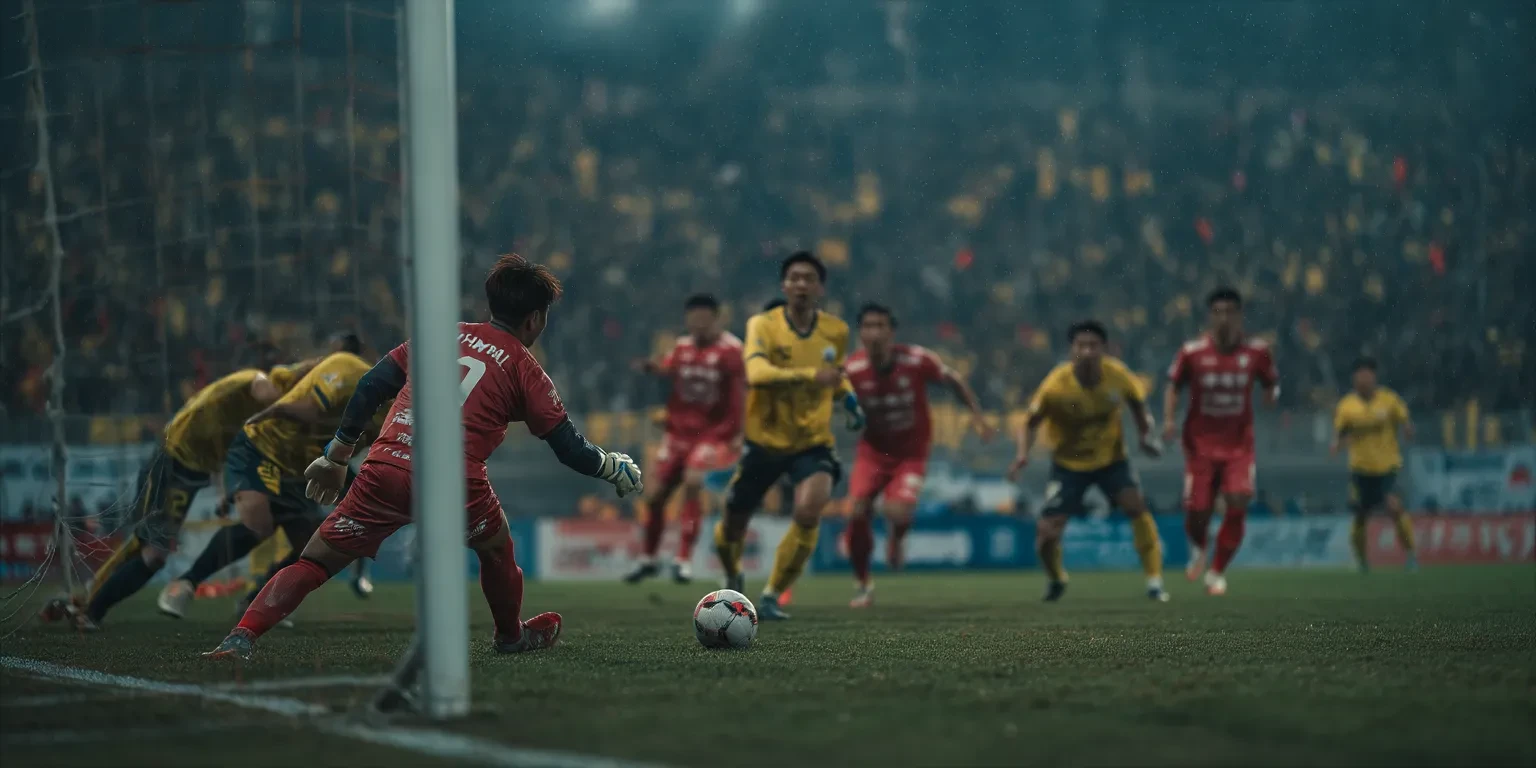
k7win Football in Brazil in 2026: schedule, clubs, and match analysis with k7win login
Brazilian football follows an intense season calendar, with domestic competitions, continental tournaments, and major European leagues drawing attention every round. This page brings together an editorial guide to following matches, checking schedules, understanding the standings, and observing trends without turning isolated numbers into definitive conclusions. In k7win football, the focus is on sports information: the context of each matchup, recent performance, home advantage, and general squad news.
Use this content as a starting point for organizing your coverage of the week. The schedule may change due to decisions by governing bodies, broadcasts, or operational adjustments; always check the latest information for the event. For newcomers, we explain how to interpret form and the table. For experienced fans, we highlight tactical aspects and useful comparisons. k7win login access can serve as a platform navigation reference, while this page remains dedicated to football, results, and editorial analysis.
Explore the sports section

Football Fixtures
Upcoming ties. Check the date and start time before you follow live.
From the Brasileirão to European leagues: football on multiple fronts
The football calendar offers different stories depending on the competition. In Brazil, the Campeonato Brasileiro Série A combines consistency over many rounds with changes in pace caused by travel, cup competitions, and international call-ups. Série B also deserves close attention: the battle for promotion and survival often changes squad priorities, and the run of home or away games helps explain fluctuations that a simple table does not reveal.
In knockout tournaments, the analysis changes. In the Copa do Brasil, the aggregate score, the rules for the round, and managing the result in the second leg are essential to understanding the strategy. In the Copa Libertadores and Copa Sudamericana, travel, stadium atmosphere, and matches in different countries add variables to performance. Instead of comparing teams only by the number of goals, look at chance creation, protecting the penalty area, and the ability to maintain intensity after halftime.
European leagues broaden the perspective. Premier League, La Liga, Serie A, Bundesliga, and Ligue 1 each have their own pace, styles, and schedules; the Champions League brings together high-level matchups in a continental competition. When following Brazilian and foreign clubs in the same week, consider the time between matches and likely squad rotation. A team that rests key players in one round may line up differently in the next.
For beginners, a good routine is to choose two or three competitions and follow each round regularly. Note the position, matches played, and the difference between home and away performance. For those already familiar with the scene, compare changes in pressing, possession in dangerous areas, and set pieces. These references help build a more complete picture without relying on a single statistic.
How to follow upcoming matches without losing context
A useful schedule needs to answer three questions: who is playing, in which competition, and when the match is scheduled. Times may be adjusted by organizers, broadcasters, or local authorities, so the latest information should take precedence over old screenshots and undated posts. The page for live scores can complement your preparation once the match is underway; for a thematic overview, also see football coverage.
Before a match, consider the time since the previous game, the distance traveled, and officially announced absences. News about injuries and suspensions should be treated cautiously until the club confirms the situation. In congested weeks, coaches may rest players or change the system, especially when cup matches fall between league rounds. The lineup published shortly before kickoff usually clears up questions that predictions cannot resolve.
When analyzing form, a run of five matches is a practical sample, not a guarantee of what will happen next. Record wins, draws, and losses, but also consider the strength of the opponents and where the games were played. Five results against teams with different styles do not mean exactly the same thing. Attacking output can be assessed alongside defensive solidity: chances created, goals conceded, and the ability to protect a lead each tell a different part of the story.
Home advantage deserves attention, but should not be treated as an automatic explanation. Compare recent home and away performance, pitch quality, and travel conditions. In derbies, rivalry and crowd pressure can influence the pace, while refereeing decisions and set pieces carry greater weight. A balanced preview separates confirmed facts, observable trends, and uncertainties, making clear when information still depends on updates.

Standings, streaks, and performance: numbers with context
The standings summarize a campaign, but they do not tell the whole story on their own. Points and position show the cumulative result; goal difference helps distinguish teams that win consistently from those whose position depends on narrow margins. Matches played also matter: teams with postponed games may appear in provisional positions that change when the schedule is updated.
To understand a table, compare points with the number of rounds and look at the gaps between groups. A small difference can make each head-to-head especially relevant, while a run of matches against teams near the top calls for careful analysis. In round-robin tournaments, consistency throughout the season is usually more informative than a single win. In cup competitions, the format and tiebreaking criteria need to be considered before interpreting a team's situation.
k7win jogos can be used as a navigation term to find sports content, but the focus here remains on competitions and published data. Check the updated standings and confirm the reference date. To follow the portal, visit k7win.mobi; schedule and standings information may vary as organizers announce changes.
Competitions and clubs to follow this season
The highlights below feature real tournaments and teams, selected for their sporting relevance and variety of styles. The descriptions are a viewing guide, not a prediction of results. Check the form and confirmed news as of each match date.

Campeonato Brasileiro Série A
Domestic football in a round-robin format. Follow the sequence of home and away matches, squad rotation during cup weeks, and the race for positions throughout the season; a five-match sample is more useful when you consider the level of the opponents.
View sports coverage
Copa do Brasil
This knockout tournament brings together clubs from different divisions and highlights the strategy required at each stage. Check the current regulations, squad management, and set-piece performance, without mistaking a closely contested match for a long-term trend.
View sports coverage
Copa Libertadores
This continental competition calls for attention to travel, different environments, and two-legged ties, depending on the stage. Follow official lineup news and compare the team's performance at home with its play away.
View sports coverage
Premier League
The English league often delivers intensity and rapid changes in tempo. When following clubs such as Manchester City, Arsenal, and Liverpool, look at pressing off the ball, width on the flanks, and the impact of schedules that include continental commitments.
View sports coverage
La Liga
In the Spanish league, possession control, positioning between the lines, and technical quality help explain different styles. Follow Barcelona, Real Madrid, and Atlético de Madrid while also considering the opponent and the context of each round.
View sports coverage
Serie A
Italian football offers tactical matchups in which defensive organization and transitions can be decisive. Compare the recent runs of Inter, Milan, Juventus, and other clubs without overlooking coaching changes or confirmed absences.
View sports coverage
Bundesliga
The German league is an interesting place to observe high pressing, quick transitions, and the use of young players. When assessing Bayern München, Borussia Dortmund, and their rivals, consider defensive consistency as well as their ability to create chances.
View sports coverage
Champions League
The tournament brings together teams from different leagues and puts tactical preparation under pressure. The stage, regulations, and schedule influence each team's approach; check official match information and observe how each team adapts its build-up play.
View sports coverage
Brazil National Team
International breaks change clubs' routines and bring players together for short preparation cycles. Follow official call-ups, reported fitness conditions, and formation adjustments, bearing in mind that friendlies and competitive matches have different contexts.
View sports coverageHow to interpret data, times, and updates
Sports information is dynamic. A reliable schedule lists the competition, participants, and local time; standings should specify the round or reference date. If an older publication conflicts with an official update, use the latest information from the responsible organization.
Editorial note: The analysis examples on this page are illustrative; they do not represent scores, results, or statistics attributed to specific matches. The 2026 schedule may be subject to official changes.
Questions about football, fixtures, and standings
How do I find upcoming matches in a competition?
Start with the competition you’re interested in and check the latest fixtures, including the date, local time, and tournament stage. Since matches can be rescheduled, use the latest available update and confirm any changes announced by the organizers. The scores page also helps you follow events in progress, while the preview provides context before kickoff.
What can the last five matches show about a team’s form?
This snapshot helps you see a short run of wins, draws, and losses, but it does not predict the next result. To interpret it better, consider home advantage, the quality of the opponents, goals scored and conceded, and possible squad changes. A recent run should be compared with the full campaign, not used in isolation.
How should I read the standings during a round?
Look at points, matches played, and goal difference, as well as the date the standings are based on. Postponed matches can leave teams with different numbers of games played, making the table appear provisional. In league competitions, a team’s position reflects its accumulated results; in cup competitions, check the rules and specific criteria for that stage before assessing the situation.
Where can I check for changes to kickoff times or lineups?
Check announcements from the competition and the clubs, especially on match day. Kickoff times may change due to operational adjustments, and official lineups are usually announced shortly before the match begins. News about injuries or suspensions should be identified as confirmed or still under review to avoid presenting a possibility as fact.
How can I compare home and away performance?
Separate matches by venue and compare the recent run with the overall campaign. Consider travel, opponents, the schedule, and the stadium context; differences in performance can have several causes. Home advantage is a useful reference, but it does not guarantee dominance. Read the numbers alongside tactical aspects, such as chance creation and defensive solidity.
Follow football with context and responsibility
Check the fixtures, explore the highlights, and use data to help understand each match. Follow updates at your own pace and take breaks during long broadcasts; sport should remain a balanced leisure activity.